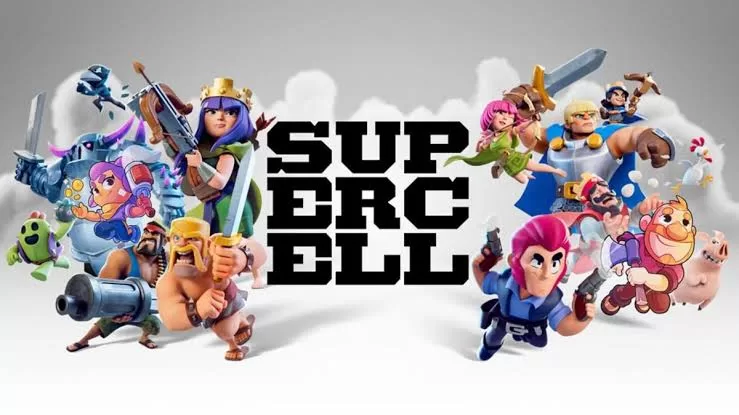
Supercell grants for African game studios are about to be decided. Supercell, the Finnish studio behind Clash of Clans and Brawl Stars, is due to tell applicants this month whether they’ve won a share of its first Developer Grants Program, with equity-free grants of $20,000 to $200,000 each.
Announced in July, the program is aimed at studios across Africa. Supercell says it wants to help “exceptional” teams “reach their next stage of growth”. Applications closed on 9 August, review ran from August to October, and successful applicants are to be notified in October. Funding is expected to begin in December.
Supercell, founded in Helsinki in 2010, is best known for mobile hits including Clash of Clans, Clash Royale, Hay Day and Brawl Stars. This is its first grants program aimed specifically at African studios.
“Some of the most exciting creative energy and distinctive cultural narratives today are emerging from Africa,” Supercell said when it announced the program.
In this article
How the Supercell grants work
- Amount: $20,000 to $200,000 per studio.
- No equity: the grants are non-dilutive. Supercell takes no ownership of the studio or its games, and studios keep their IP.
- Cohort size: Supercell expects to pick about three to five studios for this first cohort.
- Who qualifies: legally registered studios whose main operations and most of their team are based in Africa. Applications from individual developers, hobby projects or unregistered teams aren’t considered.
- Platforms: open to studios working across platforms, genres and business models, even though Supercell itself is a mobile company.
Supercell asked applicants for a pitch deck, a gameplay trailer or video, links to previous games, and a high-level funding plan and budget. A playable build was optional.
Why it matters
Funding is still the biggest gap for African game studios. Equity-free money is especially rare, because it lets a small team grow without giving away part of the company or its IP.
The Supercell grants add to growing interest from global platforms. Google Play also announced a $1 million Indie Games Fund for African developers this year. Supercell has a history of backing smaller studios too: it invested $5 million in Redemption Games in 2018 and $2.9 million in Shipyard Games in 2021, and took full ownership of Metacore in May 2026.
What Ghanaian studios should take from this

Applications for this round of Supercell grants are closed, but Supercell describes it as its first cohort. Ghanaian teams that want to be ready for future rounds, or for similar funds, can start now:
- Register the studio. Unregistered teams were ruled out, so a registered company is the first requirement.
- Build a pitch kit: a short deck, a gameplay video and a simple budget showing how the money would be used.
- Ship something. Links to released games carry weight, even small ones made for game jams or contests like the MTN Game Developer Contest.
Ghana already has studios with track records, such as Leti Arts, and a growing pipeline of new developers coming through university programmes and community events. Programs like this are a reminder that global publishers are paying attention to African games.
The pipeline is growing. The MTN Gaming Conference 2026 at Labadi Beach Hotel in Accra brought together developers, studios, publishers, educators and students, and MTN, Ashesi University and Leti Arts used it to announce a new Game Lab for students. Funding like the Supercell grants is what can turn that energy into sustainable studios.
GasBros Gaming Network will report the winning studios once Supercell announces them.
Sources: Game Developer, TechCabal, Games Industry Africa, Hypertext.