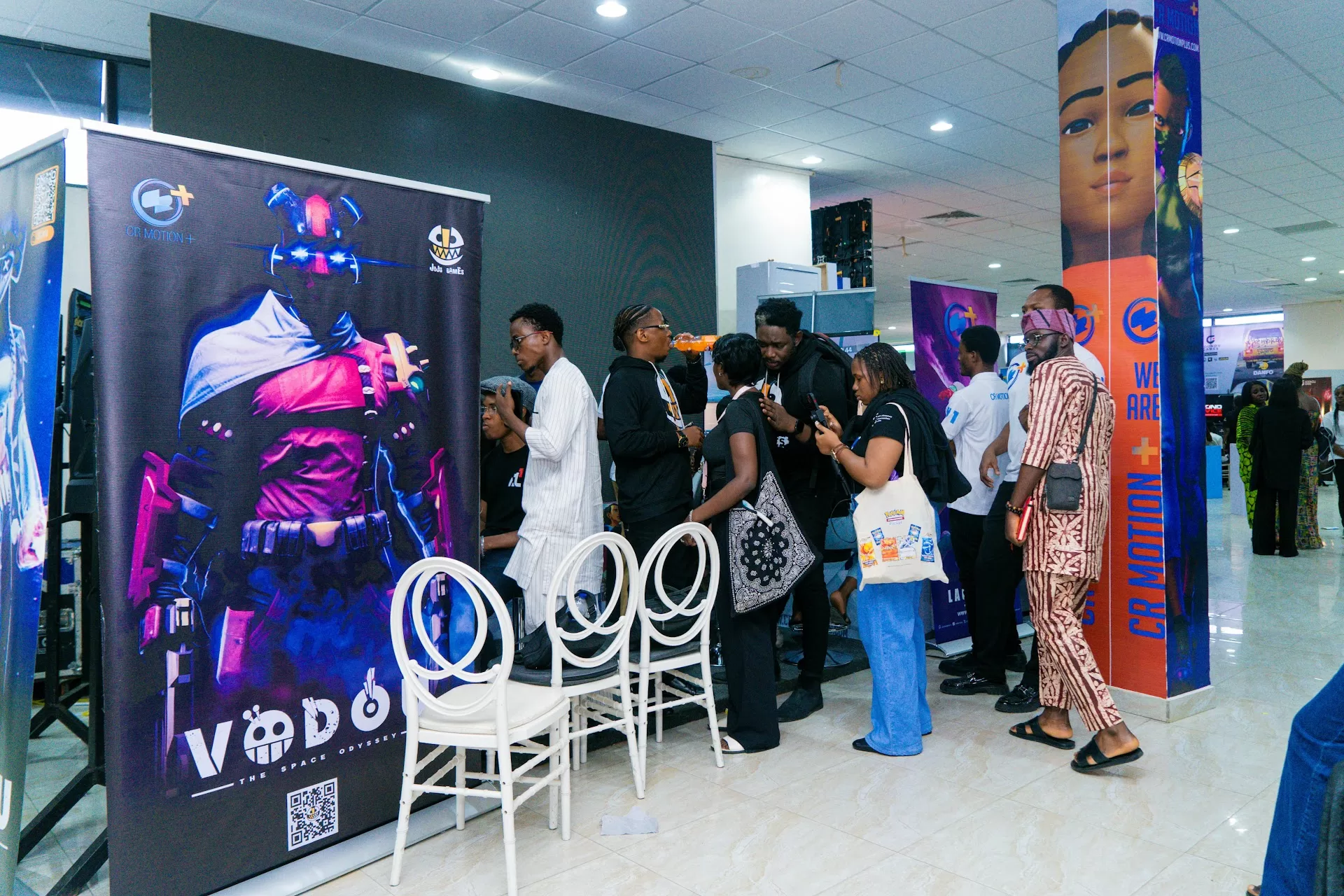
May 1st brought in its wake the final presentation of Playful Obscura‘s second edition as individuals from Ghana’s ever growing game ecosystem gathered to experience the playable prototypes of the residents. Birthed under the GamesConnect AFRICA, the arthouse game residency aims to support innovative and culturally immersive approaches to storytelling, game design and interactive art. The presentation did not feel like the typical gaming event we’re used to; and it felt intentional.
Although short, the final presentation was very impactful. Culture was treated as something that lives with and is shared constantly with everyone around us. That is one thing that is absent in most games. It was more than showcasing the games that were created; Playful Obscura created an avenue for artists, gamers, game developers and curious individuals alike to experience first hand the messages the residents were trying to communicate through their games.

The showcase featured playable games created during the three week residency by two artists: Mame Faty Kane from Senegal and Jamil Osmar Ramos from Angola. These residents were selected from over 77 applicants spread from across 16 different African countries and pushed beyond the traditional definitions of gaming; producing immersive experiences that reflected deeply personal and cultural themes.
Mame Faty Kane’s game was deeply grounded in culture and emotions. Drawn from her own experience in the Ghanaian and Senegalese culture, she created a rich memory filled game that evoked emotions from the audience. The gameplay welcomed players into a reflective journey characterized by memory and identity. She made a statement that seemed to resonate throughout the whole game: “You don’t progress towards the ending, you progress towards yourself”.

The game wasn’t interested in pushing players towards objectives or rewards. By using immersive storytelling, players feel and understand situations before acting. The game was more focused on emotional engagement, making the experience more vulnerable and human.
Mame also divulged that one of her biggest obstacles in her journey was the visuals of the game. Being a developer, she had issues putting into visuals her dream, especially within the limited timeframe given. Surprisingly, this rather added to the charm of the game. Players seem submerged into the game, absorbing emotions that seemed to seep out of the game and into them.
Jamil Osmar Ramos also took the same theme of culture but went about it a whole different way, calling his showcase “research gamified”. His showcase was an interactive mixture of blending research, culture and rituals as well as digital storytelling. The gameplay consisted of fragments of ancestral practices and ritualistic memory via an environment that expertly blurred gaming, tradition, art and cultural preservation.

Players went through fragments of ritualistic practices and uncovered layers of meaning through movement and interaction, having interactions with traditions not as a concept but as an ongoing phenomenon. Ramos’ project was compelling due to how it invited curiosity. It showed how games are not just for entertainment but also a way to reflect and preserve memory.
What was glaringly obvious from the showcase was how much meaningful work was birthed from such a short residency period. Not only were the residents able to create playable prototypes, they created an avenue to ignite conversations built around culture and its preservation. It also brought to light how deeply connected human traditions remain in spite of their geographical differences. This was enough to leave an imprint on audiences. It also showed how much the digital world can be used to tell African stories, and preserve history for future generations.
Developers, gamers, artists and curious audiences went around playing games, having conversations, taking turns at the games and generally connecting long after the official showcase was over. The residency has come to an end but its impact will still ripple across the game ecosystem. Initiatives like these continue to remind us that game evolution does not have to be the same hyper or battle filled games we are used to. There should be space for emotional games, slow games and games that make us wonder about life.